Are you dreaming of an individual safari in Namibia or in southern Africa? Our safari experts will organize a guided or self-drive safari for you.


- Highlights
- Map
- Day by Day
- Accommodation
- Rates
- Includes
- Excludes
- Gallery
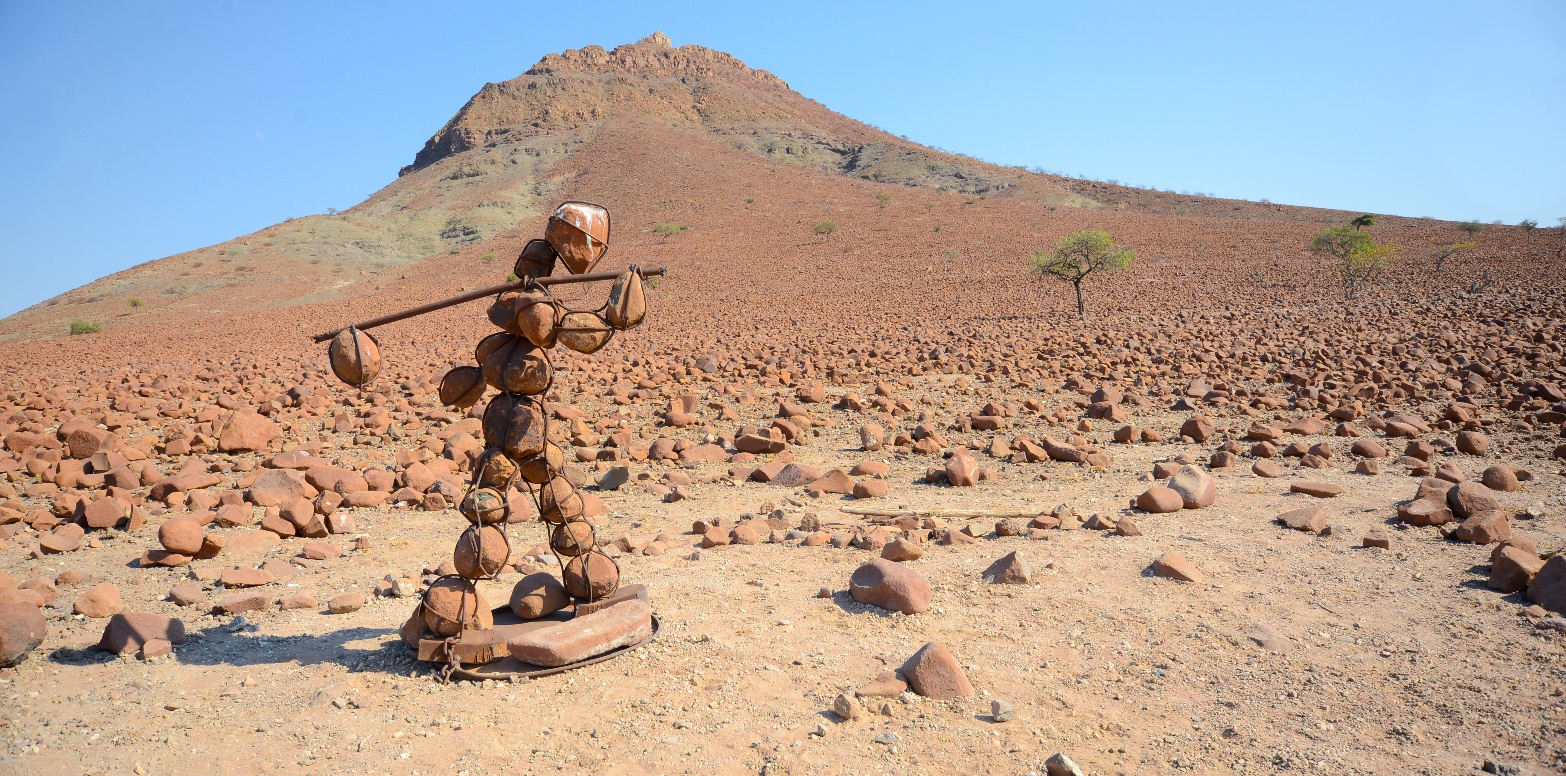
Twyfelfontein – ancient rock art and desert history
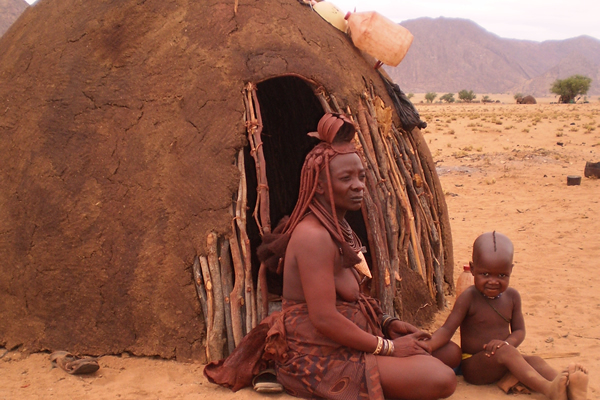
Marienfluss Valley – wide horizons and Himba culture
Kunene River – flowing lifeline in the desert
Etosha National Park - rich wildlife and waterholes
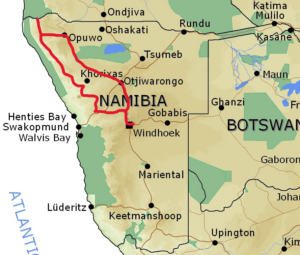
No details found.
Itineraries
Day 1
Arrival in Windhoek
Welcome to Namibia! Upon arrival, you are met by your guide and transferred to Windhoek. After time to settle in, enjoy a short city tour and gain a first impression of Namibia’s capital. The day ends with a sundowner overlooking Klein Windhoek and a relaxed start to your safari.
Day 2
Erongo Mountains
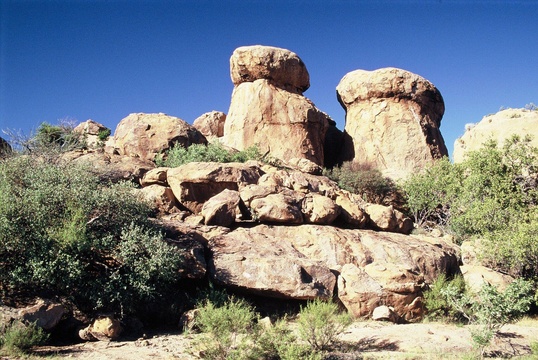
After breakfast, we travel to the Erongo Mountains, a region known for its striking granite formations and beautiful landscapes. Our lodge is nestled amongst the rocks and offers wonderful views across the surrounding savannah. In the late afternoon, we enjoy a guided sunset walk and experience the changing colours of this unique part of Namibia.
Day 3
Twyfelfontein
Today we travel into Damaraland, one of Namibia’s most scenic and remote regions. Passing the Brandberg, Namibia’s highest mountain, we continue to Twyfelfontein, a UNESCO World Heritage Site famous for its ancient rock engravings. Our lodge is beautifully situated amongst granite boulders, providing the perfect base from which to explore this fascinating area.
Day 4
Palmwag
This morning, we visit the famous rock engravings of Twyfelfontein, as well as the nearby Organ Pipes and Burnt Mountain. Afterwards, we continue to Palmwag in the heart of Damaraland. Surrounded by rugged mountains and dry river valleys, this remote region offers beautiful scenery and excellent opportunities to spot desert-adapted wildlife.
Day 5
Palmwag Concession Area
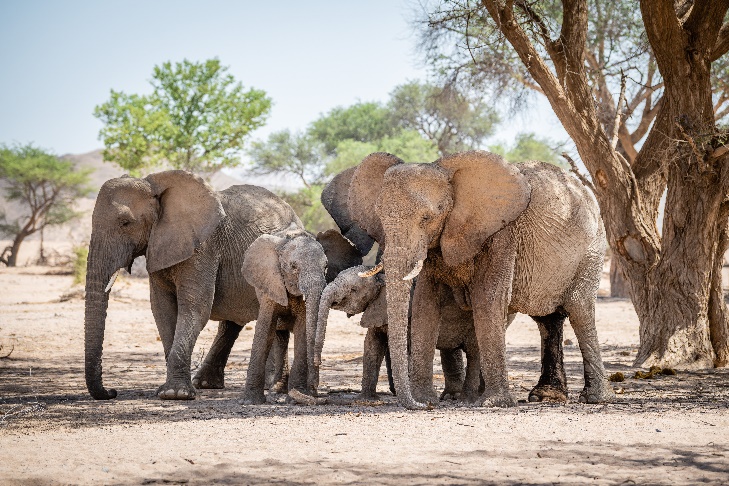
Today we venture deep into the Palmwag Concession, one of Namibia’s most remote and wildlife-rich wilderness areas. This vast conservation area is an important refuge for the endangered black rhinoceros and desert-adapted elephants. Surrounded by rugged mountains, dry river valleys and wide open landscapes, we experience a true wilderness adventure before spending the night under Namibia’s spectacular star-filled skies.
Day 6
Hoanib River
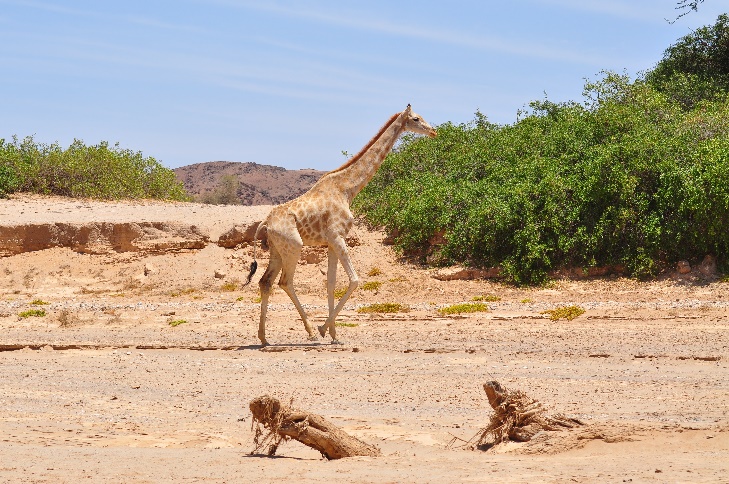
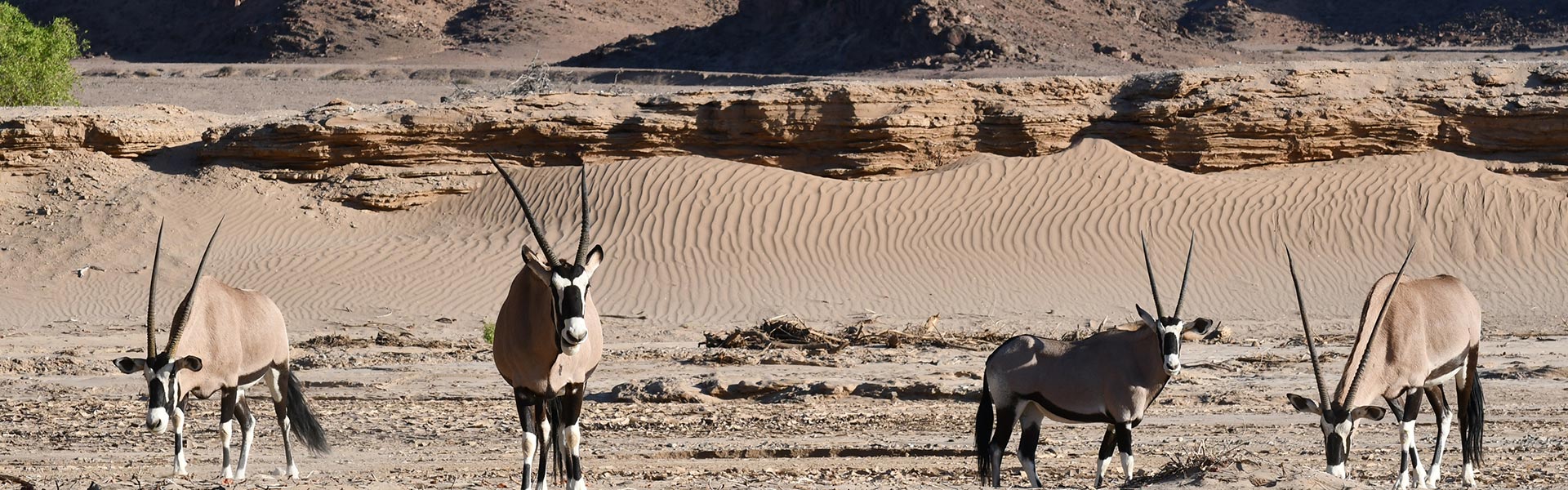
Today we follow remote tracks towards the Skeleton Coast and the dry Hoanib River. This remarkable area is one of the best places in Namibia to search for desert-adapted elephants and other wildlife, including giraffe, oryx and springbok. Surrounded by dramatic desert scenery, we spend another night in the heart of this remote wilderness.
Day 7
Hoarusib River
Today we travel deeper into the remote landscapes of north-western Namibia, following rugged tracks to the dry Hoarusib River. This wild and unspoilt region is known for its dramatic scenery and desert-adapted wildlife. We spend the night beneath towering camel thorn trees, with a chance of encountering desert-adapted elephants in this remarkable wilderness area.
Day 8
Near Orupembe
Today we travel through the colourful Valley of Colours and continue along the Khumib River. This remote part of north-western Namibia is known for its dramatic mountain scenery, open plains and unique desert vegetation. Our camp overlooks the surrounding wilderness and offers spectacular views across one of Namibia’s most untouched landscapes.
Day 9 & 10
Marienfluss Valley & Kunene River
Over the next two days, we explore the spectacular Marienfluss Valley, one of the highlights of the Kaokoveld. Surrounded by mountains and vast open plains, this remote wilderness is home to springbok, oryx and a variety of birdlife. We continue to the Kunene River on the border between Namibia and Angola, where our camp is set beneath shady trees overlooking the river.
Day 11
Near Orupembe
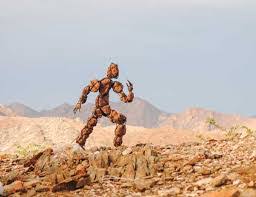
Today we travel through the magnificent Marienfluss Valley and cross the scenic Rooi Drom Pass, one of the highlights of the Kaokoveld. Along the way, we pass remote landscapes, mountain vistas and the mysterious stone cairns scattered throughout the region. By late afternoon, we return to camp and enjoy another evening in this remarkable wilderness.
Day 12
Opuwo
The safari continues towards Opuwo, the cultural heart of Namibia’s Kunene Region. Passing mopane woodland and iconic baobab trees, we make our way to a lodge overlooking the vast savannah. The afternoon is at leisure to relax and enjoy the peaceful surroundings.
Day 13
Hobatere & Etosha National Park
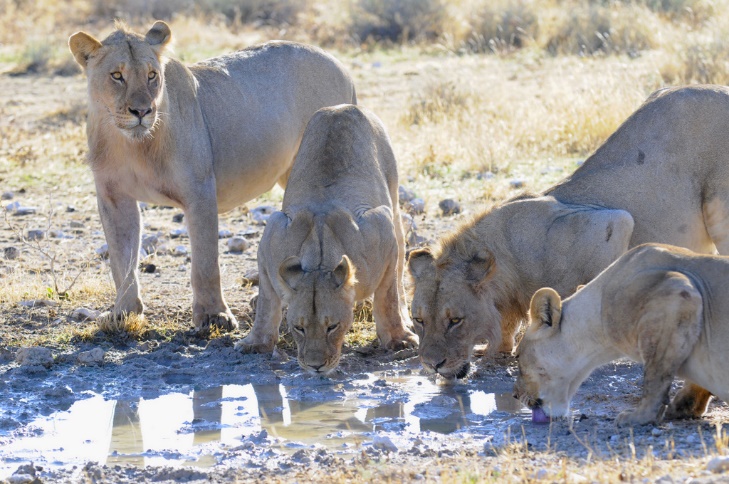
Continuing south, we reach the private Hobatere Concession on the western boundary of Etosha National Park. This wildlife-rich area is home to elephant, giraffe, Hartmann’s mountain zebra and a variety of antelope species. In the afternoon, we explore the western section of Etosha, where the waterholes often attract an abundance of wildlife.
Day 14
Okonjima
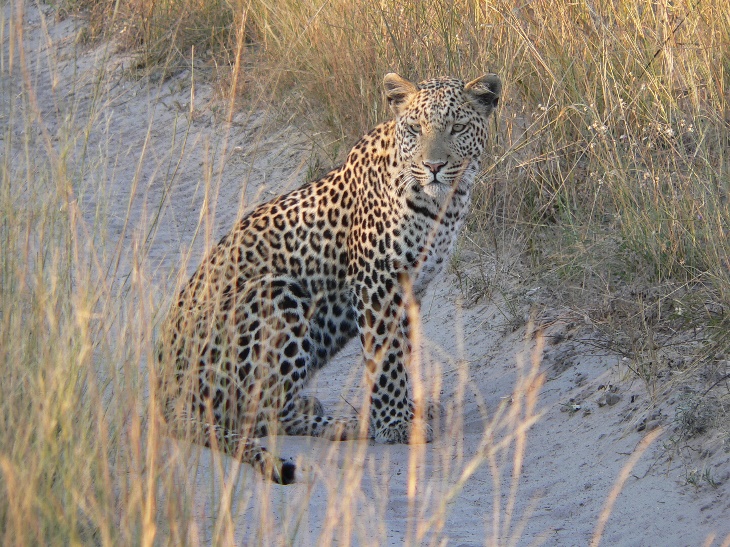
Our safari continues south to Okonjima Nature Reserve, home of the renowned AfriCat Foundation. Set within the Omboroko Mountains, the reserve is known for its leopard conservation programme and exceptional wildlife viewing. In the afternoon, we join a guided game drive in search of leopards and gain insight into the important conservation work taking place in this remarkable part of Namibia.
Day 15
Departure
After breakfast, we travel to Windhoek Airport for our onward flight home. Our Namibia safari comes to an end, taking with us unforgettable wildlife encounters, spectacular landscapes and many lasting memories.
| Accommodation: (Subject to change) | |
| Windhoek (1 Night) | The Weinberg Hotel |
| Erongo Mountains (1 Night) | Ai Aiba Lodge |
| Twyfelfontein (1 Night) | Twyfelfontein Adventure Camp |
| Damaraland (1 Night) | Palmwag Lodge |
| Damaraland (1 Night) | Camping Palmwag Concession |
| Hoanib River (1 Night) | Camping Hoanib area |
| Hoarusib River (1 Night) | Camping purros Community Camp |
| Near Orupembe (1 Night) | Marble Camp / House on the Hill |
| Kunene River (2 Nights) | Camp Syncro, Camping |
| Near Orupembe (1 Night) | Etambura Camp |
| Opuwo (1 Night) | Opuwo Country Lodge |
| Etosha National Park (1 Night) | Hobatere Lodge |
| Otjiwarongo Area (1 Night) | Okonjima Plains Camp |
| For 2 persons: ZAR 170,500 per person sharing |
| For 4 persons: ZAR 117,700 per person sharing |
| For 6 persons: ZAR 103,100 per person sharing |
| Single supplement: ZAR 9,900 |
| Prices quoted in South African Rand Valid from November 2026 to October 2027 |
Full board, activities as described
Accompanied by a professional tour guide in a 4x4 off-road vehicle
Entrance fees to parks, petrol/diesel
International flights
Visa fees for Namibia
Drinks, tips, and personal expenses